Supreme Court Campaign Finance Rules Set Stage for 2026 Elections
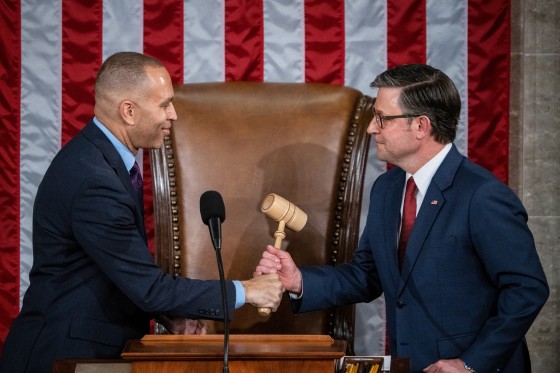
Republican strategists plan to utilize well-funded party committees to offset potential fundraising shortages for key candidates in the 2026 cycle.
Strategic Shift in Party Fundraising
As the 2026 election cycle approaches, Republican party leadership is preparing a strategic pivot to address funding disparities among various candidates. The primary focus involves leveraging party-aligned organizations to bridge financial gaps that individual campaigns may face during high-stakes races.
These cash-flush groups are expected to play a central role in maintaining competitive parity. By utilizing centralized funds, the party aims to ensure that candidates in critical districts possess the necessary resources to combat opposition spending.
Impact of Supreme Court Precedents
The current landscape of political financing remains heavily influenced by Supreme Court rulings regarding campaign contributions and expenditures. These legal frameworks allow for significant spending by independent groups and party committees, shaping how money flows through the electoral process.
Legal experts note that the ability of party groups to inject capital into specific races is a direct consequence of existing judicial interpretations of campaign finance laws. For the 2026 elections, this means:
- Concentrated Resource Allocation: Funds may be directed toward a small number of highly competitive battleground seats.
- Mitigation of Individual Shortfalls: Party committees act as a financial safety net for candidates struggling with traditional grassroots fundraising.
- Increased Coordination: Party organizations are refining how they utilize surplus capital to maximize impact across various levels of government.
Anticipated 2026 Election Dynamics
Political analysts suggest that the reliance on large-scale party groups could alter the traditional relationship between a candidate and their donors. Instead of a candidate solely managing their own war chest, the national and state party organizations become primary drivers of financial viability.
This shift could lead to a more centralized approach to campaign management. While individual candidates focus on voter outreach and messaging, the heavy lifting of media buys and large-scale advertising may increasingly fall to the broader party apparatus.
The efficacy of this strategy will depend on the total volume of available capital and the specific legislative hurdles encountered during the 2026 cycle. As fundraising trends evolve, the interplay between judicial rulings and party-led financial maneuvers remains a defining factor in modern American politics.